Partial vs. Full Highlights: What's the Difference?
If you're choosing between partial and full highlights, the question isn't simply "Which is better?" It's where you want to see brightness—and how much of your hair needs to change.
Partial highlights: targeted brightness
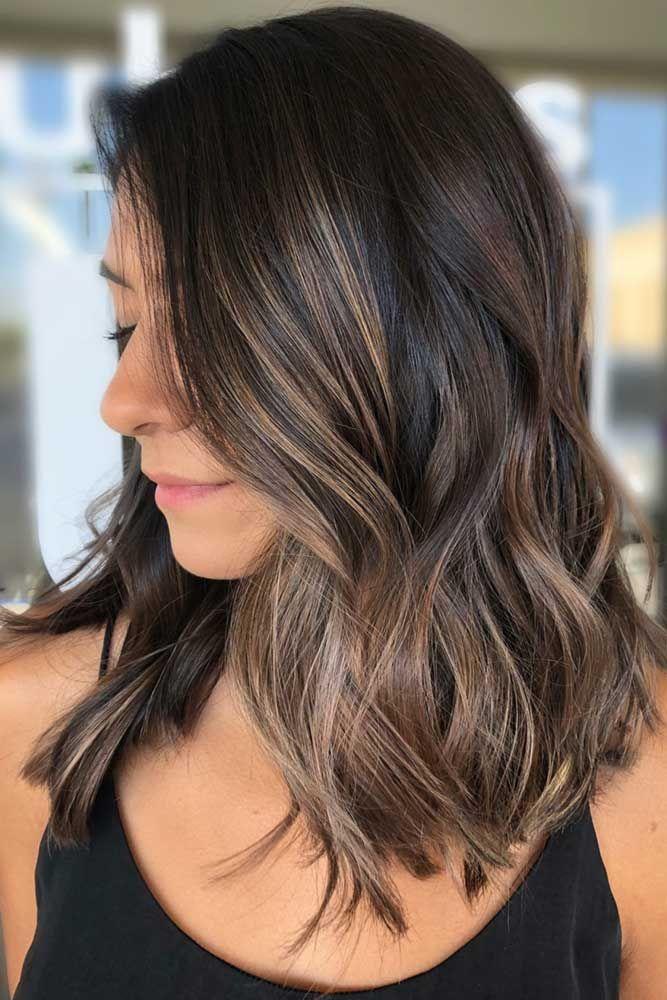
Partial highlights usually focus on the top layers and face-framing sections. They're useful when you want:
- Brighter pieces around your face
- A refresh of color that's already working well
- More dimension without lightening every section
- A smaller appointment than a full-head service, depending on your hair
Because the underside remains mostly untouched, a ponytail or updo may reveal more of your natural color.
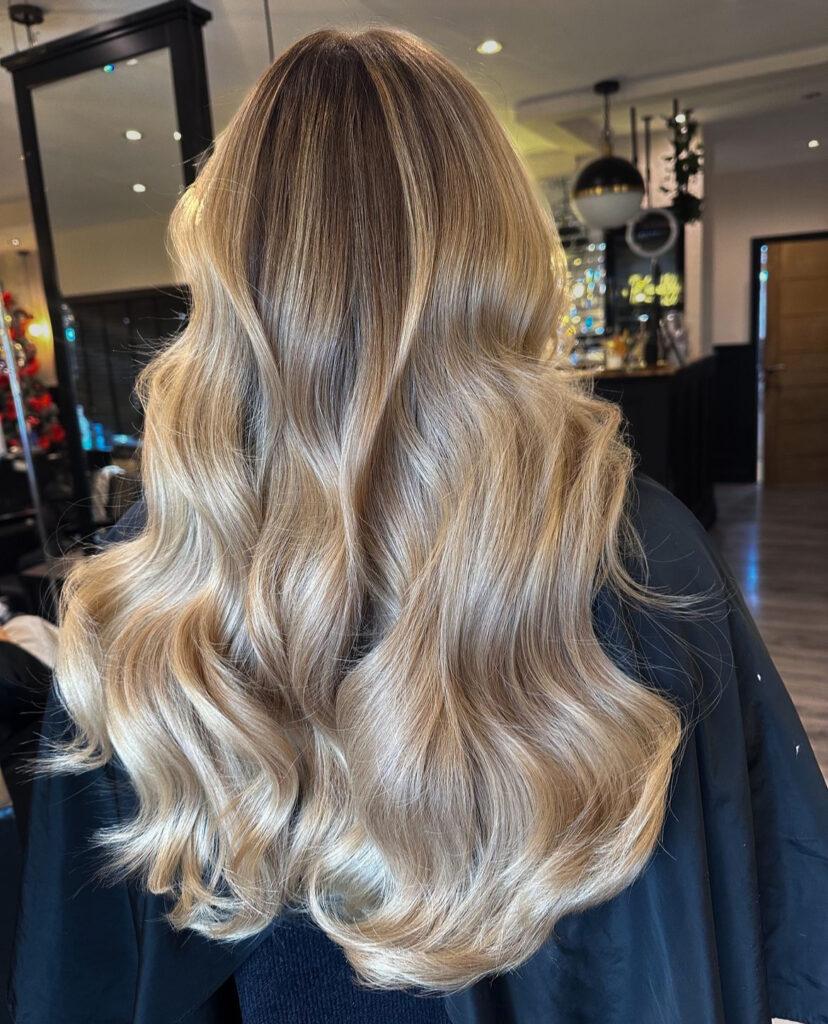
Full highlights: brightness throughout
Full highlights include more sections across the sides, back, and underneath. They're worth discussing when you want consistent brightness from several angles, wear your hair up often, or are making a more noticeable change.
A full service generally takes longer and uses more product, though actual timing and price depend on density, length, and desired lift.
What about lowlights?
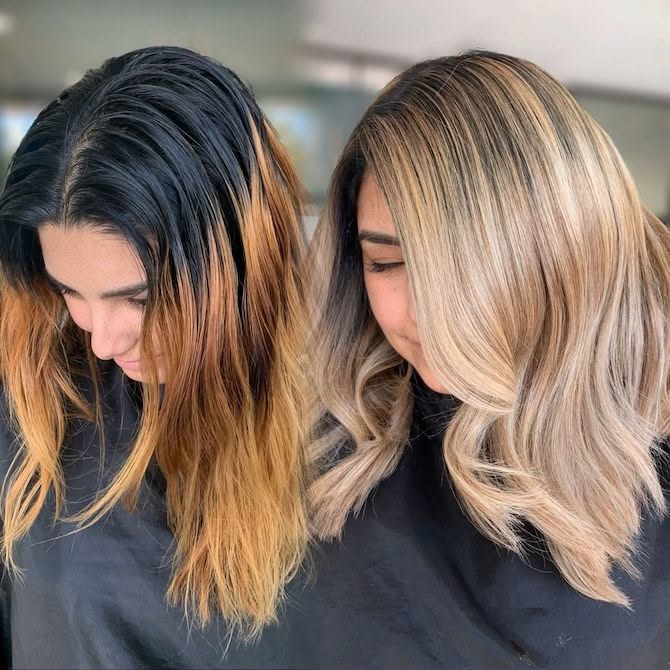
Highlights add brightness. Lowlights add depth. Lowlights can make existing blonde appear more dimensional and soften an overly uniform result. They're not necessarily a route to an overall darker head of hair.
The smarter way to decide
Bring photos showing the front and back of a style you like, then consider:
- Do I wear my hair up?
- Is my natural color visible underneath?
- Do I want a subtle refresh or a bigger transformation?
- How frequently can I maintain root contrast?
Your stylist may recommend a partial service now and a fuller refresh later. More foils do not automatically mean a prettier result.
Good next step: Compare Partial Highlights, Full Highlights, and Full Highlights & Lowlights.