hair coloring
Balayage / Foilayage
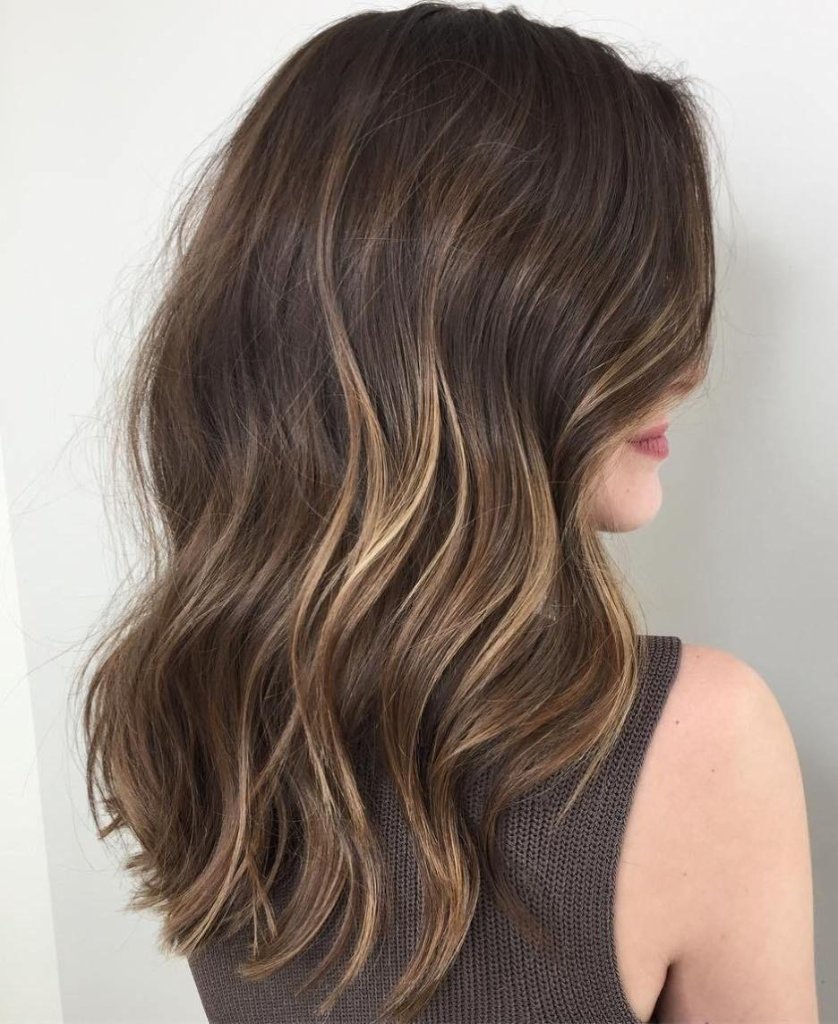
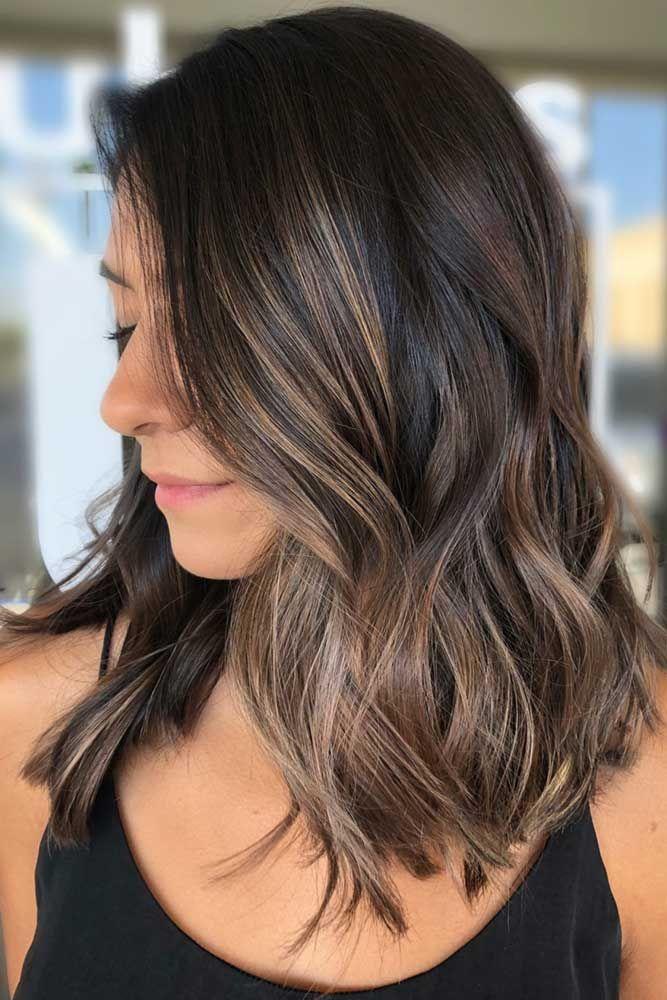
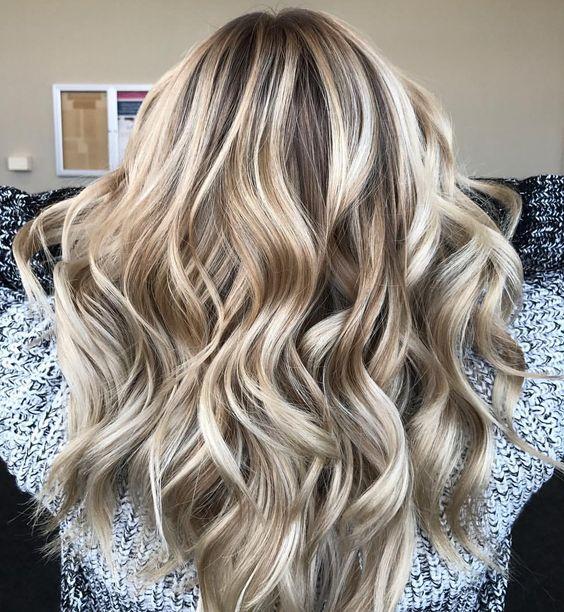
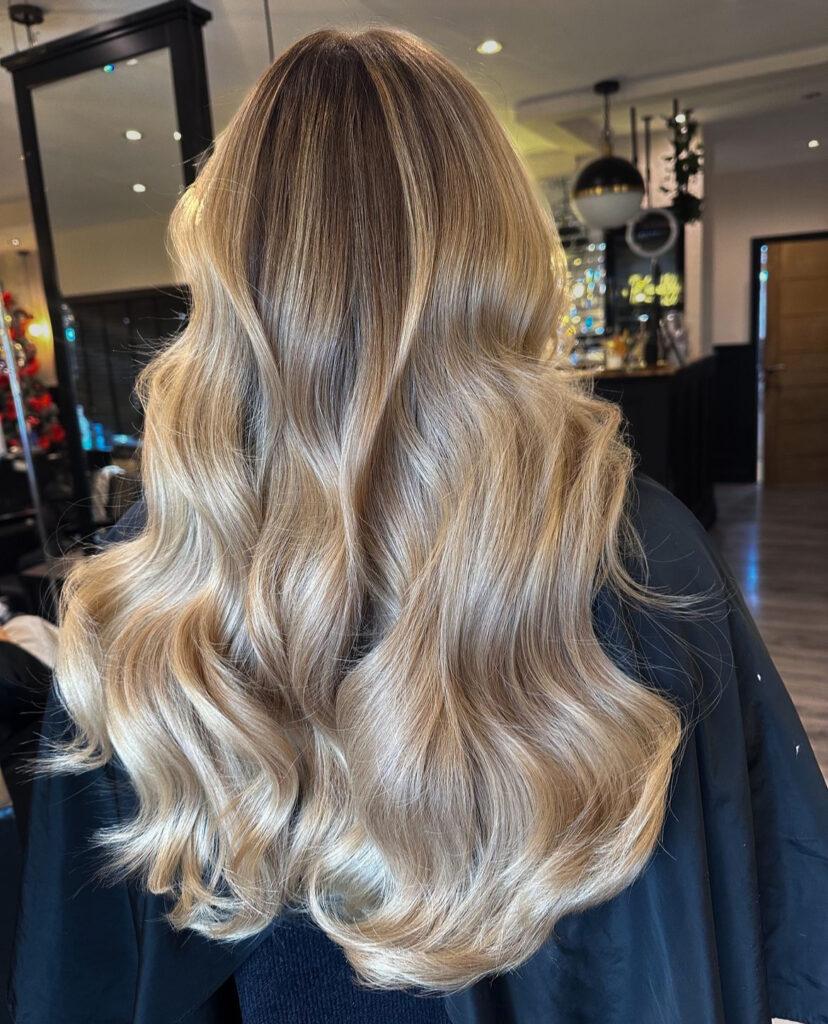
Hand-painted highlights for natural, sun-kissed look
Request This ServiceAbout this service
Balayage is colour painted onto the hair by hand rather than packed into foils from the root. Because your stylist places lightener freehand, the result grows out softly — there's no hard regrowth line, which is why balayage suits people who don't want to be back every four weeks.
Foilayage takes the same hand-painted approach and wraps the painted sections in foil, which holds heat and lifts further. That makes it the better choice on darker or more stubborn hair, or when you want brighter ends than painting alone will give.
Your stylist will look at your natural depth, any existing colour and the condition of your hair, then agree a realistic result with you before starting. Big changes sometimes take more than one appointment, and it's better to hear that up front.
What's included
- Consultation about your current colour, target result and how many sessions it will take
- Hand-painted lightener placed to suit your haircut and how you wear your hair
- Foil wrapping where extra lift is needed
- Toner or gloss to set the final tone
- Shampoo, conditioning treatment and blow-dry finish
- Advice on maintaining the tone and condition at home
What to expect at your appointment
Allow around three hours. Your stylist will start with a consultation, checking your hair's depth, history and condition, and agreeing what's achievable in one session.
The lightener is then painted through your hair in sections and left to develop, with the progress checked as it lifts. Once the lift is right, your hair is rinsed, toned to the tone you agreed, treated and blow-dried.
Because the timing depends on how your hair lifts, your stylist may adjust as they go rather than working to a fixed clock.
Who it's best for
Anyone who wants a soft, lived-in colour with low upkeep — especially if you dislike a visible root line or can't commit to frequent appointments. It works on most natural depths, though very dark or previously coloured hair may need more than one session to reach a light result.
Caring for it at home
Lightened hair needs moisture and gentle handling. Use a sulphate-free shampoo and a conditioner or mask concentrated on the mid-lengths and ends, wash in cooler water, and always use heat protectant before hot tools.
A blue or purple toning shampoo used sparingly — once every week or two — keeps brassiness at bay. Balayage typically holds well for three to four months, with a toner or gloss in between if the tone starts to warm up.
Tips from our stylists
- Bring photos of the result you want and be ready to hear how many sessions it needs
- Don't have your hair freshly washed on the day; a day or two of natural oil is fine
- Book a toner or gloss between full appointments to keep the tone fresh
- Ask your stylist about a bond-building or conditioning treatment if your hair is fine or previously coloured
- Tell your stylist about every colour, box dye or henna your hair has had, even years ago — it changes how hair lifts
Common questions
- How is balayage different from highlights?
- Highlights are woven into foils from the root, giving a more uniform and often brighter result. Balayage is hand-painted, so it starts lower down and grows out much more softly.
- How often do I need it redone?
- Most people go three to four months between balayage appointments, sometimes with a toner in between.
- Can I get balayage on dark hair?
- Yes, though reaching a light result on dark hair may take more than one session. Your stylist will tell you honestly what's achievable in a single appointment.
- Will it damage my hair?
- Any lightening changes the hair's structure. Your stylist chooses the strength and technique with your hair's condition in mind and can include a conditioning or bond-building treatment.
- How long does the appointment take?
- Around three hours, though it varies with your hair's length, density and how it lifts.
Further reading
- Balayage vs. Highlights: Which Is Right for You?
Balayage creates softer transitions; highlights offer more precise placement. Here's how to choose based on your starting color, upkeep, and the result you want.